Climate-Smart Agriculture
Adapting farming practices to changing climate conditions.
About our service details
Climate-smart agriculture (CSA) is an approach that helps farmers adapt to the changing climate while mitigating its impact on their farming operations. This strategy involves the integration of sustainable practices that increase resilience to climate shocks such as droughts, floods, and extreme temperatures. By implementing climate-smart agriculture, farmers can ensure food security, reduce greenhouse gas emissions, and build long-term resilience against the effects of climate change.
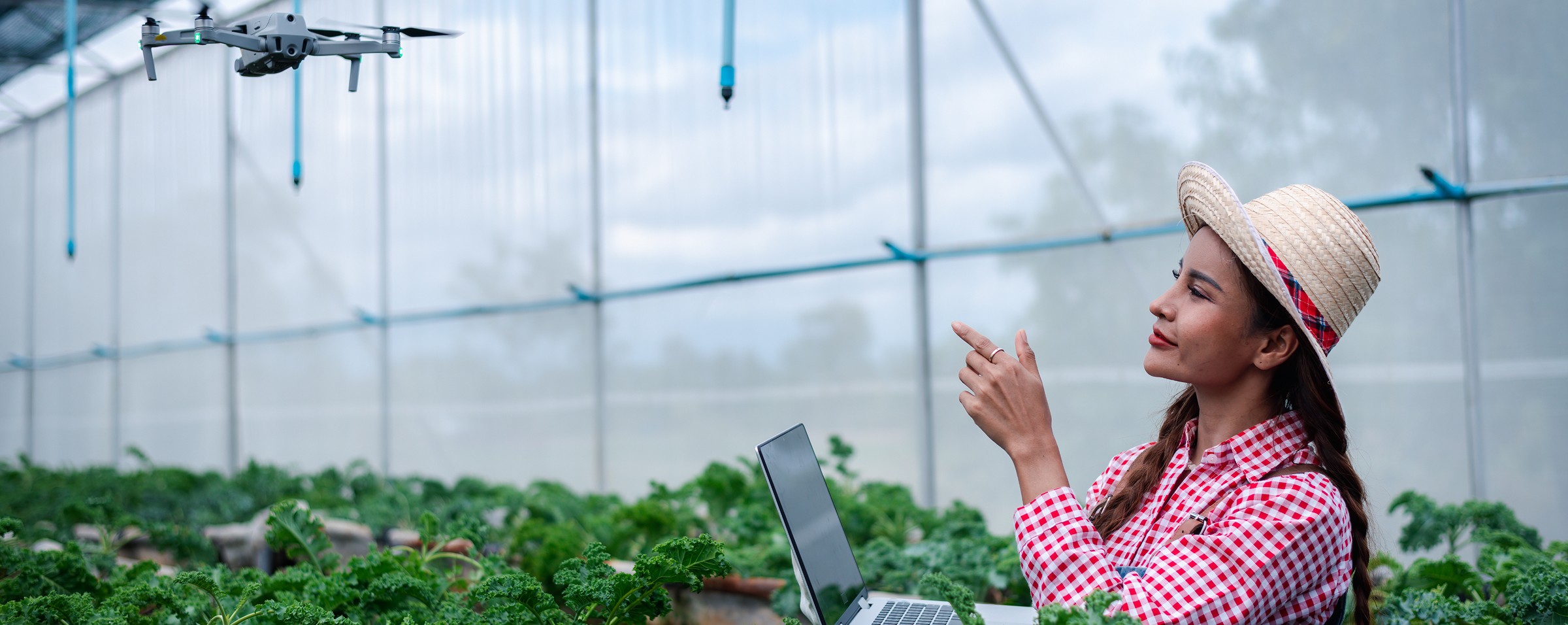
CSA practices focus on improving land management, optimizing resource use, and introducing climate-resilient crops. The use of data-driven technologies such as weather forecasting, soil moisture sensors, and crop modeling enables farmers to make better decisions about planting, irrigation, and pest management. These strategies help farmers not only adapt to climate change but also contribute to global efforts to reduce carbon emissions.
Promote drought-resistant crops and improve water management techniques.
Implement soil conservation practices to prevent erosion and increase water retention.
Utilize weather forecasts and climate data to inform planting and irrigation decisions.
Introduce agroforestry and integrated farming systems to increase biodiversity and resilience.

By adopting climate-smart agriculture, farmers can safeguard their livelihoods while also contributing to the fight against climate change and ensuring food security for the future.