Top Practices for Successful Organic Farming Today
9/13/24
Farming
5 minutes

Summary
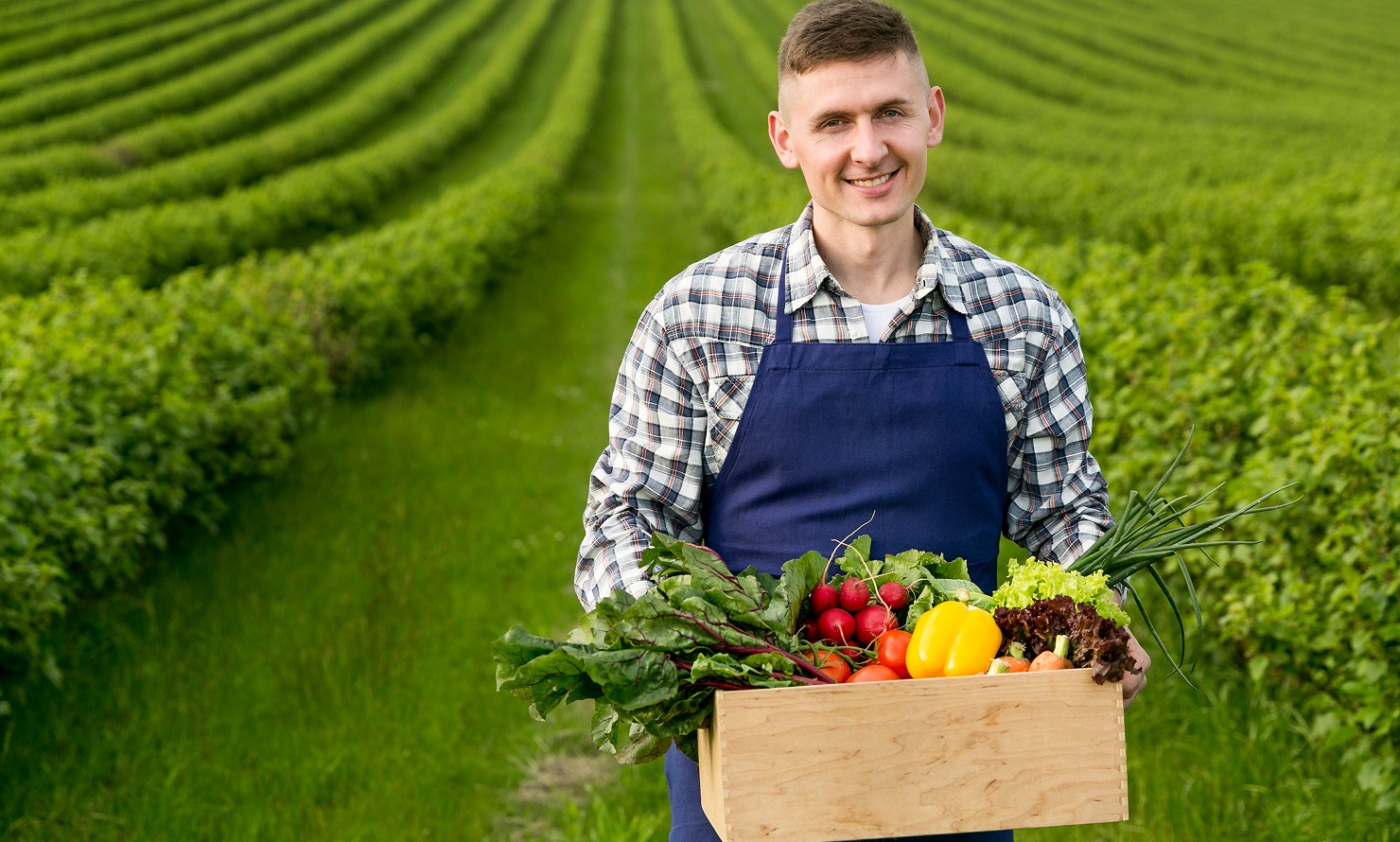
Organic farming relies on careful planning, soil health, and pest control without chemicals. Building soil with compost and green manure keeps it productive. Rotating crops and using cover plants prevent disease and boost biodiversity. Weed control is managed with mulching and mechanical tools. Livestock and poultry, when integrated, support a natural balance. Certification rules must be followed closely to stay compliant. The process takes work, but the rewards include better crop quality and market value.
Smart organic farmers rely on proactive, not reactive, systems. Prevention is more effective than treatment. Timing and observation replace chemicals. Healthy soil means stronger crops. Nature, managed wisely, can provide all the tools needed.
Low-Cost Ways to Cut Emissions on Your Farm
Reducing a farm’s carbon footprint doesn’t always require major investments. Switching to energy-efficient equipment and using cover crops can make a big difference. Improving manure management and reducing tillage also lower greenhouse gas emissions. Farms can compost organic waste to reduce methane and improve soil health. Simple changes to fuel use or field practices can have measurable effects.
Farmers can track emissions with basic tools or apps. These help show progress and guide next steps. Many farms are saving money while going greener.
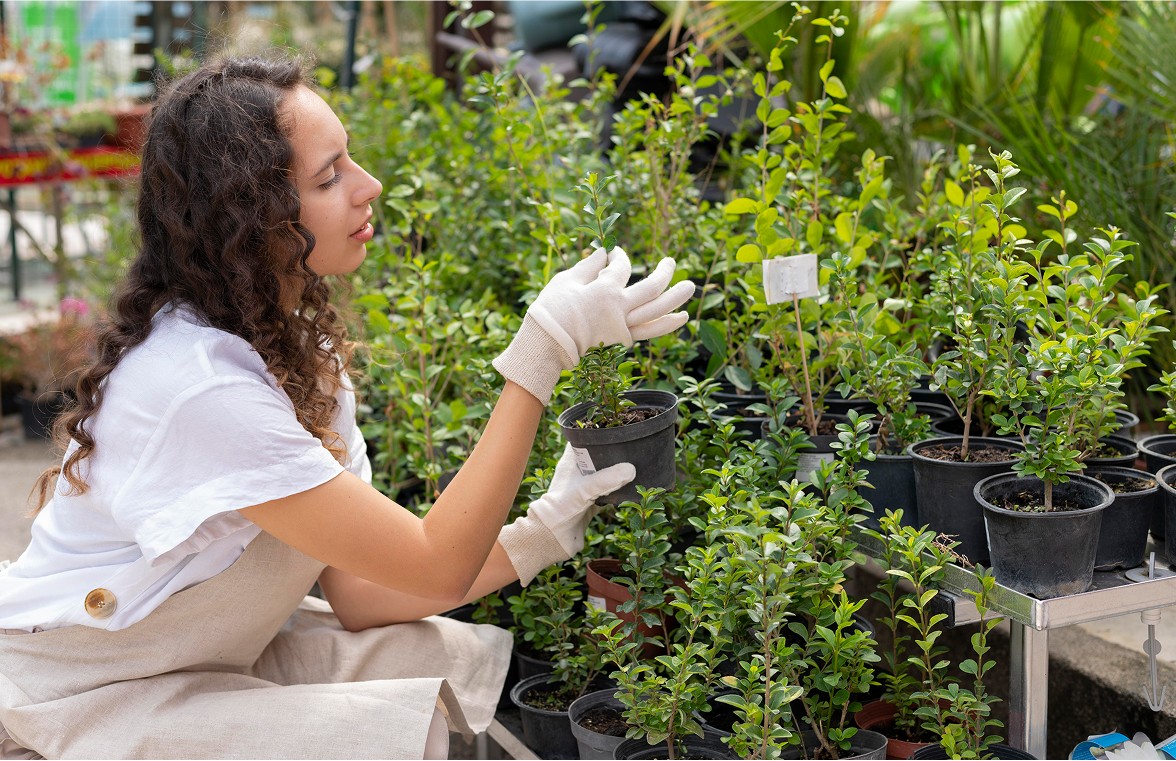
Crop diversity to manage pests naturally
Organic fertilizers and composting
Timed planting and rotation schedules
Physical weed control and mulching
Being proactive is key to long-term success. Regular testing and seasonal planning help reduce surprises. The best organic farms focus on prevention, not just reaction.
Smart choices now lead to more resilient harvests later.
Avoiding Common Pitfalls in Modern Organic Farming
Organic farming brings unique challenges that require smart planning. One common issue is nutrient deficiency due to limited input options. Farmers must rely on compost, manure, and cover crops for soil fertility. Weed control without herbicides requires mechanical or manual methods.
Pest pressure can spike if crop diversity isn’t managed well. Timing and crop selection become critical to maintain balance. Mismanaging these areas can result in lower yields or certification loss.

Impact on User Experience
Organic farming requires attention to detail, planning, and natural problem-solving. Without synthetic inputs, farmers rely on soil health and crop diversity. Composting, mulching, and pest control all play key roles. Certification also demands strict compliance and documentation. When done right, organic systems are both productive and sustainable.
“Organic success starts from the soil up. Healthy soil creates resilient plants. Smart rotations and cover crops do what chemicals used to. It’s a return to basics, powered by discipline and observation. Organic farming is hard work—but it pays off in quality and trust.”