The Benefits of Precision Agriculture Technologies
9/14/24
Technology
5 minutes
Summary
Precision agriculture offers a smarter, more targeted approach to farming. Tools like yield monitors and VRT systems allow for exact applications of seeds, water, and fertilizer. This leads to lower costs and higher productivity. Crop health can be monitored 24/7 with drones and IoT sensors. Predictive analytics help farmers make better seasonal decisions. Over time, these tools result in healthier soil and more sustainable yields. Tech adoption is no longer a luxury—it’s a necessity for growth.
These benefits go beyond the field. They reduce environmental damage and conserve valuable resources. Farmers can now act before problems grow costly. The result is a more efficient and eco-friendly farm. Precision is power.
Real-World Gains: How Tech Is Boosting Farm Profits
Organic farming depends on healthy soil and smart pest control to succeed. Compost, cover crops, and crop rotation build nutrient-rich, living soil. These practices also improve water retention and reduce erosion. For pests, farmers use traps, barriers, and natural predators instead of chemicals. This keeps crops healthy without harming the environment or violating organic standards.
Routine monitoring is key to catching issues early. When needed, certified organic treatments are applied in a targeted way. This approach keeps the farm productive and in line with organic guidelines.

Automated irrigation and moisture sensors
Targeted fertilization with VRT systems
Early pest and disease detection tools
Monitoring crop stress with aerial imaging
These systems aren’t just high-tech—they’re practical and proven. They cut labor and input costs while increasing precision. Every resource is used more wisely.
Over time, farms using precision tech gain both economically and environmentally. It’s a win-win shift that more growers are making.
Smarter Farming with Less Waste and More Output
Precision agriculture uses data and automation to reduce waste and boost yields. Farmers can monitor exact nutrient needs and apply fertilizer only where it’s needed. Automated irrigation reduces water use while keeping crops healthy. Pest detection tools prevent damage before it spreads.
This approach minimizes the overuse of chemicals and preserves soil health. It also ensures crops get just what they need—no more, no less. The result is lower costs and higher output.

Impact on User Experience
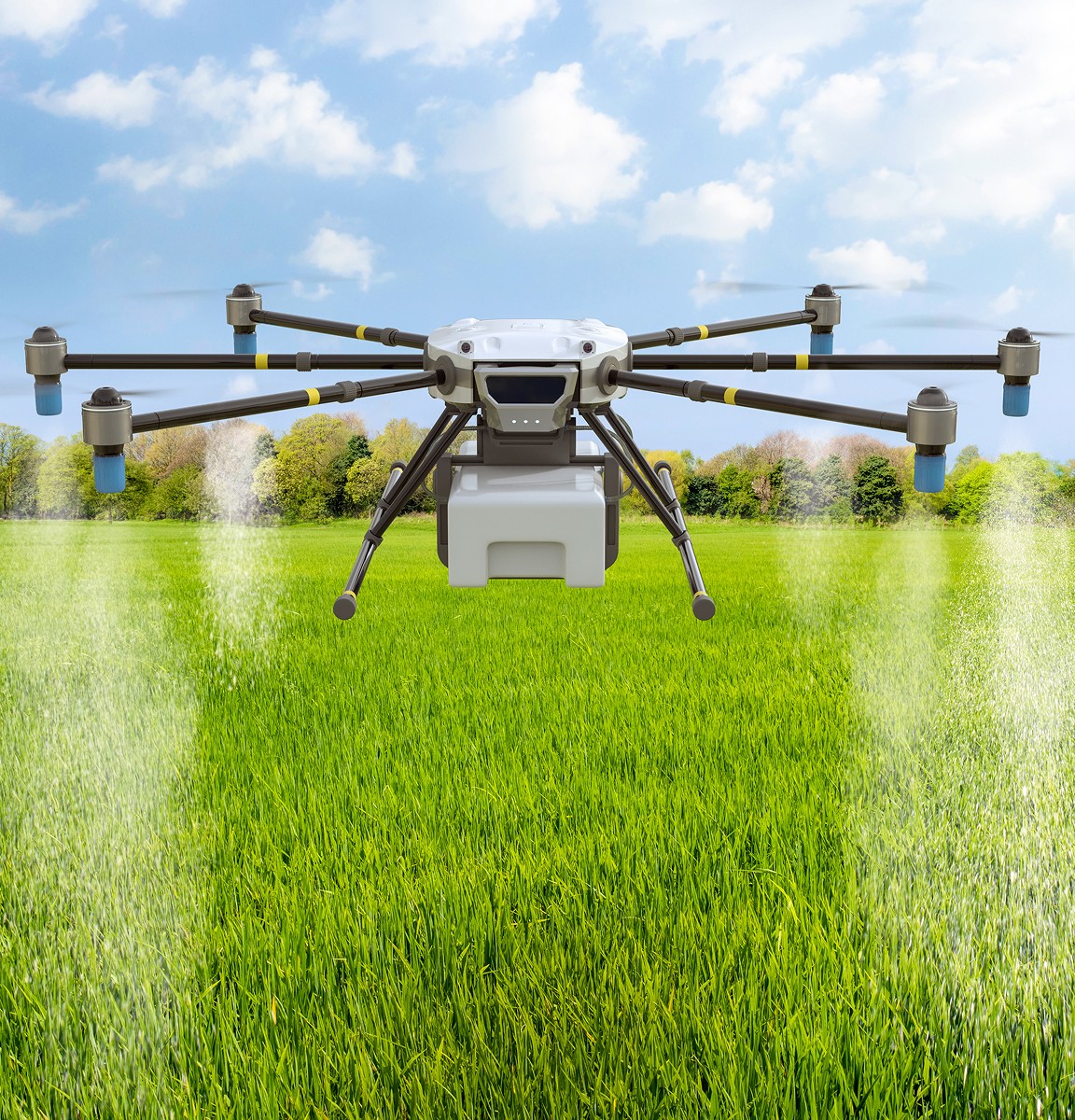
Precision agriculture delivers measurable improvements in efficiency, cost, and yield. Farmers use GPS-guided equipment to minimize overlap and save fuel. Data-driven decisions reduce input use while maintaining crop health. Drones and sensors give constant updates on field conditions. These tools empower farmers to be proactive, not reactive.
“Precision farming is about doing more with less. Every drop of water, every pound of fertilizer—it all counts. Technology turns raw data into action. With fewer inputs, farms can grow more and waste less. The smartest tool on the farm might just be the software.”