Best Practices for Farming Techniques
9/12/24
Sustainability
5 minutes
Summary
The best farming techniques today combine time-tested methods with cutting-edge tools. Practices like crop rotation and cover cropping still lay the foundation. But GPS-guided machines and precision planting raise efficiency. These methods help conserve soil, reduce runoff, and make input use smarter. Drones and satellites track field conditions from above. Meanwhile, smart irrigation cuts down on water waste. The focus is on doing more with fewer resources, with sustainability in mind.
When tradition meets innovation, farming reaches its full potential. Technology doesn’t replace good farming—it enhances it. New tools help farmers be more accurate, not more complicated. Efficiency leads to profit and resilience. This blend is the future of agriculture.
Proven Techniques to Maximize Yield and Efficiency
Combining traditional methods with modern tools has proven effective for today’s farmers. Crop rotation improves soil health and disrupts pest cycles. No-till farming protects soil structure and reduces erosion. Smart irrigation systems use sensors to apply water only when needed. These practices reduce input costs and increase harvest consistency.
Farmers now also rely on GPS-guided equipment and aerial mapping. These tools reduce waste and allow better planning. Together, they help farmers grow more while using less.
GPS and VRT to optimize inputs
Drone mapping for crop monitoring
IoT-based irrigation for water conservation
Data platforms for seasonal planning
These tools help make every input count. They lower costs while boosting productivity. Modern farming success now depends on smart integration, not just tradition.
As more farmers adopt these tools, industry standards continue to evolve. Staying updated means staying competitive.
Tech-Integrated Methods That Modern Farmers Swear By
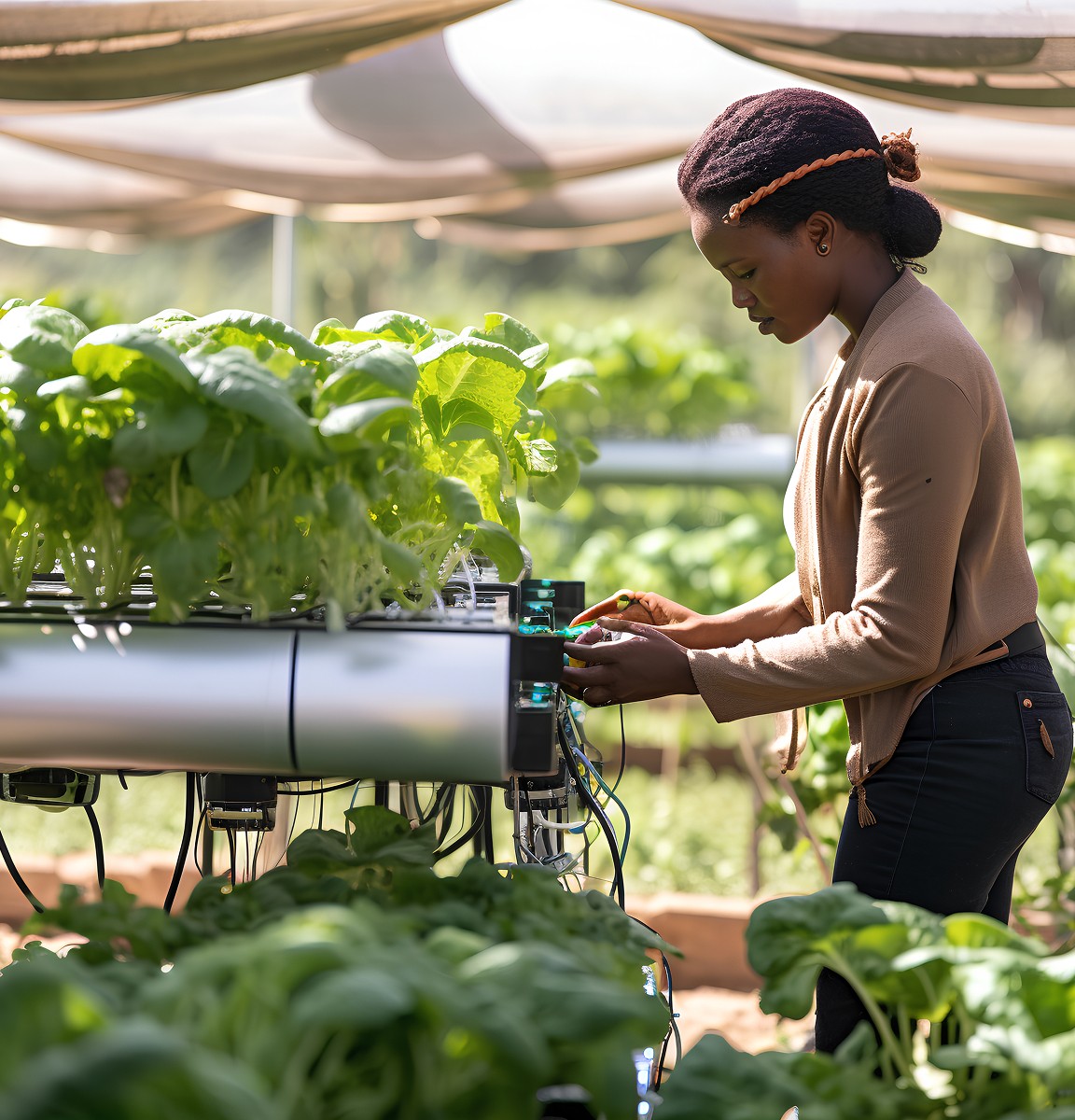
New-age farming relies on tech that blends with proven agricultural techniques. GPS-guided tractors ensure precision in planting and fertilizing. Variable rate technology adjusts seeding and spraying in real time. Smart irrigation systems water only where and when needed.
Aerial imagery helps identify pest or disease outbreaks before they spread. Data analytics track yield performance over time for better planning. These practices combine efficiency with sustainability.
Impact on User Experience
Modern farming thrives when old-school methods meet new technologies. Crop rotation, cover crops, and reduced tillage still lay the foundation. But now, they’re powered by data from sensors, drones, and software. These tools guide planting, irrigation, and pest management. The result is stronger yields, healthier soil, and fewer wasted resources.
“Technology doesn’t replace good farming—it enhances it. Knowing when and where to act makes all the difference. Farmers are combining their instincts with insights from GPS and aerial maps. It’s a new level of precision that leads to real profits. Sustainable methods are now smarter, not harder.”