Advanced Sensors for Precision Agriculture
9/13/24
Farming
5 minutes

Summary
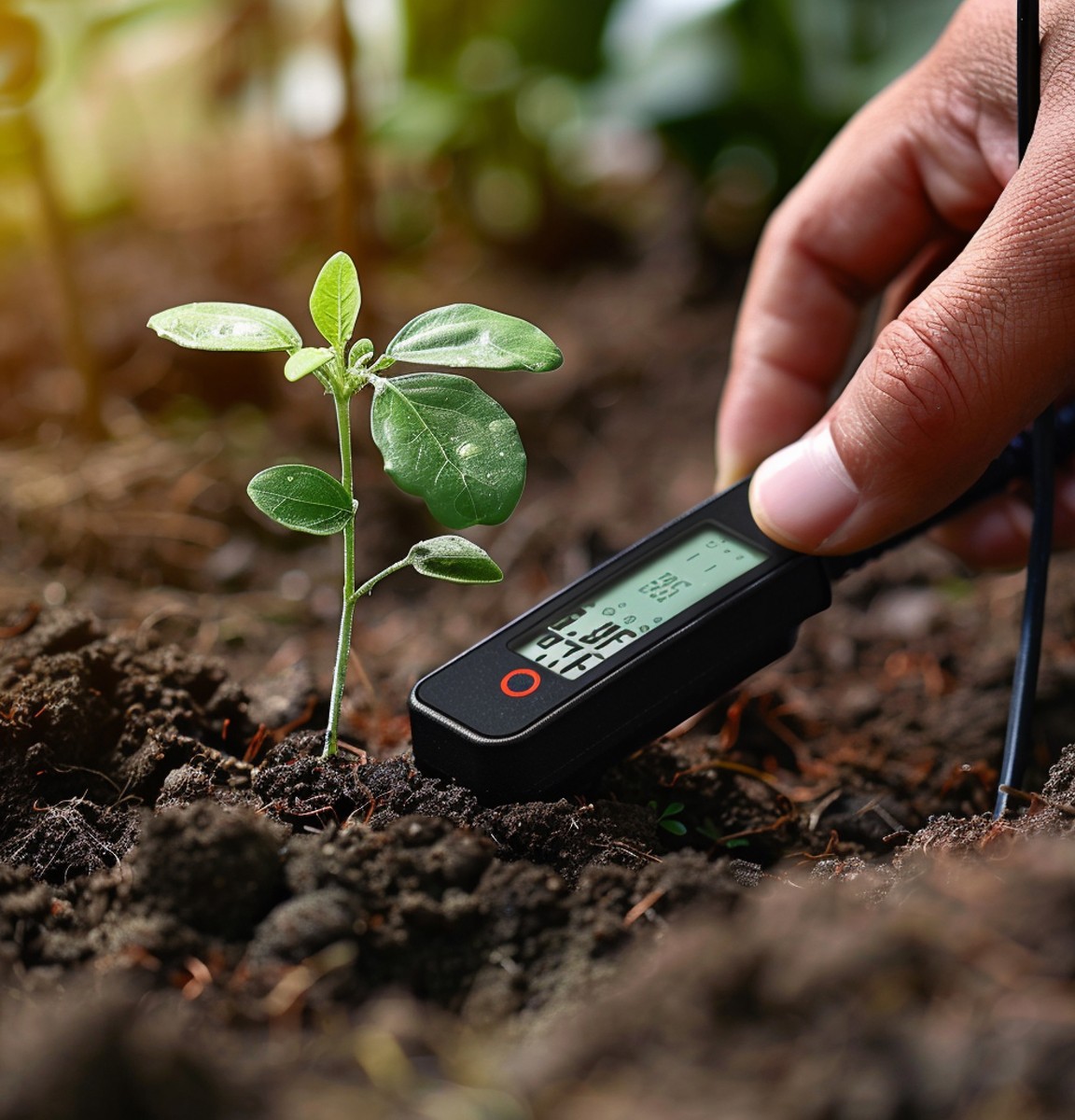
Modern agriculture is becoming increasingly data-driven thanks to advanced sensors. These devices track soil moisture, nutrient levels, weather, and crop health in real time. With this information, farmers can make faster and more accurate decisions. The technology improves yield and reduces waste, helping save on inputs like water and fertilizer. As the tools get smaller, cheaper, and more powerful, even small farms can adopt them. Integration with mobile apps and cloud platforms allows for easy access and analysis. These innovations are changing how fields are managed day-to-day.
Sensors simplify complex decisions and reveal patterns that are easy to miss. Farmers use them to respond faster to stress or disease. Productivity improves because problems are caught earlier. Efficiency increases as guesswork is eliminated. It’s a major upgrade to traditional farming methods.
Understanding Precision Agriculture
Smart sensors are becoming vital tools in the shift toward data-driven farming. These devices monitor conditions like soil moisture, temperature, and nutrient levels in real time. The information they provide allows farmers to make faster and more accurate decisions. This leads to more efficient resource use and higher yields. Sensors help catch issues early—before they affect the entire crop
They’re often linked to mobile apps or cloud systems, giving farmers easy access to updates. With these insights, actions like irrigation or fertilization become more targeted. The result is a more productive, sustainable farm operation.

Soil moisture sensors for precision irrigation
Optical sensors for real-time plant health tracking
Environmental sensors for weather and climate alerts
Satellite data for macro-level decision-making
These sensors work together to build a smarter, more efficient system. They reduce guesswork and help apply resources exactly where needed. As tech advances, sensors are becoming more affordable and easier to use.
These tools give even small farms access to high-level insights. With the right combination, farmers improve yield, reduce waste, and save money.
Types of Advanced Sensors
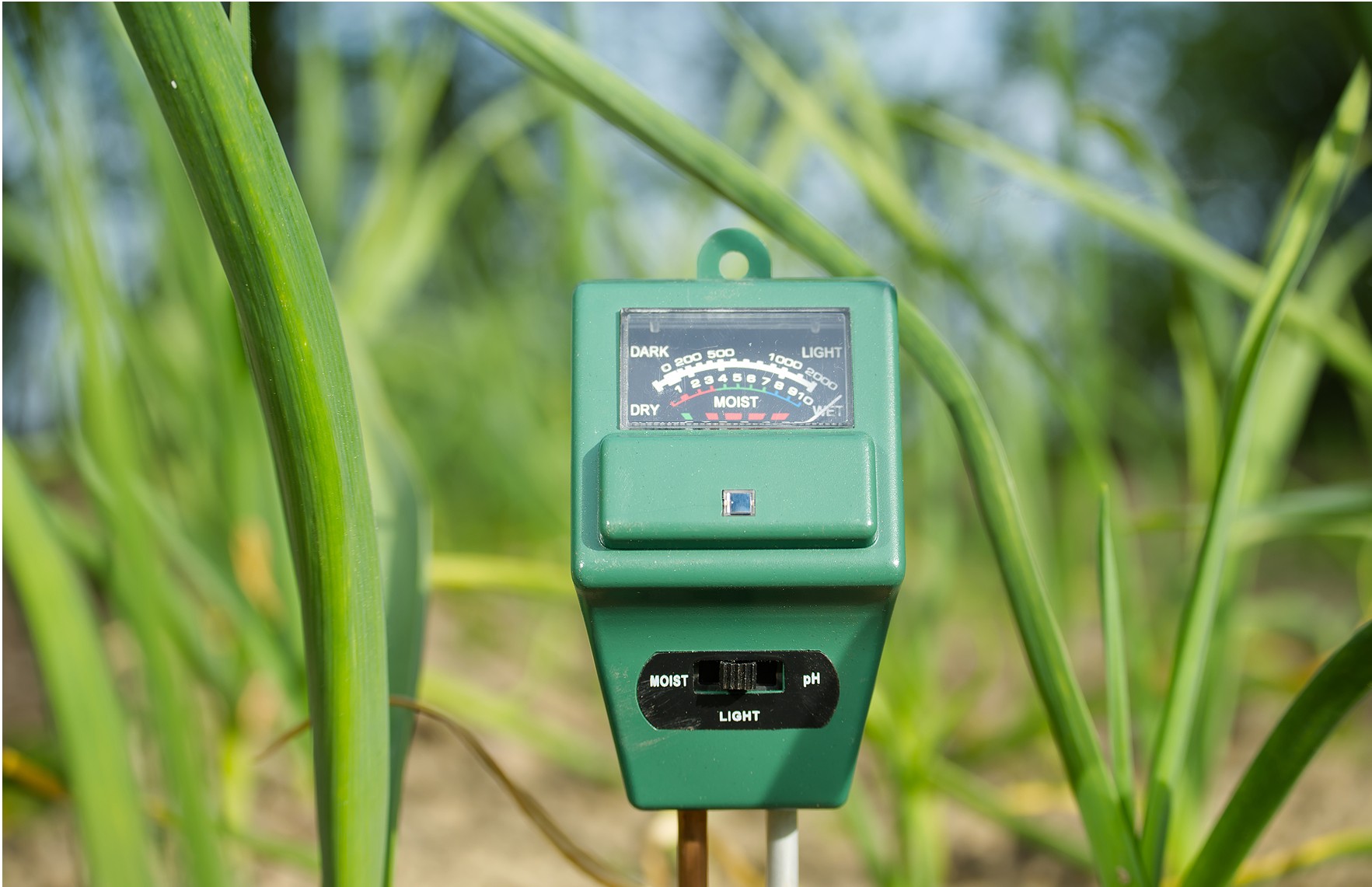
Various sensor types now play a crucial role in streamlining modern farm operations. Soil moisture sensors help manage irrigation with accuracy. Optical sensors measure plant health using light reflectance. Climate sensors monitor temperature and humidity to predict disease risk.
Drones with multispectral imaging provide field-wide data on crop health and stress. Satellites track large areas and show long-term patterns for planning. These tools give farmers a full picture from the ground to the sky.
Impact on User Experience
Advanced sensors are changing how farmers manage their land and crops. From measuring soil moisture to detecting nutrient levels, these tools offer precise insights. The data helps farmers act quickly and reduce waste. Decisions are no longer based on guesswork but on real-time information. As sensor tech evolves, it’s becoming more accessible for farms of all sizes.
“Smart farming starts with smart data. Sensors bring visibility to what was once hidden underground or across fields. Real-time readings help farmers optimize water, fertilizer, and even harvest timing. With better input control comes better crop performance. Technology is now just as vital as tractors.”